


Keeping Your Scalp Clean and Healthy
Picture this: you’re getting ready for an important day, but as you look at yourself in the mirror, you notice white flakes on your shoulders again. Dandruff can be incredibly frustrating. It chips away at your confidence, makes social interactions feel awkward and embarrassing, and can bring your mood down quickly (how could it not, when those stubborn flakes show up uninvited at the worst possible moment?).
Dandruff isn’t just a cosmetic concern. It is a scalp condition triggered by a range of factors, from dry skin to sensitivity to certain hair products and even a type of fungus. Research shows that half the world’s population is affected, so if you often feel self-conscious because of it, you’re far from alone.
But don’t lose hope. There are tried-and-tested tips that can help you manage dandruff and restore your scalp’s health. Read on!
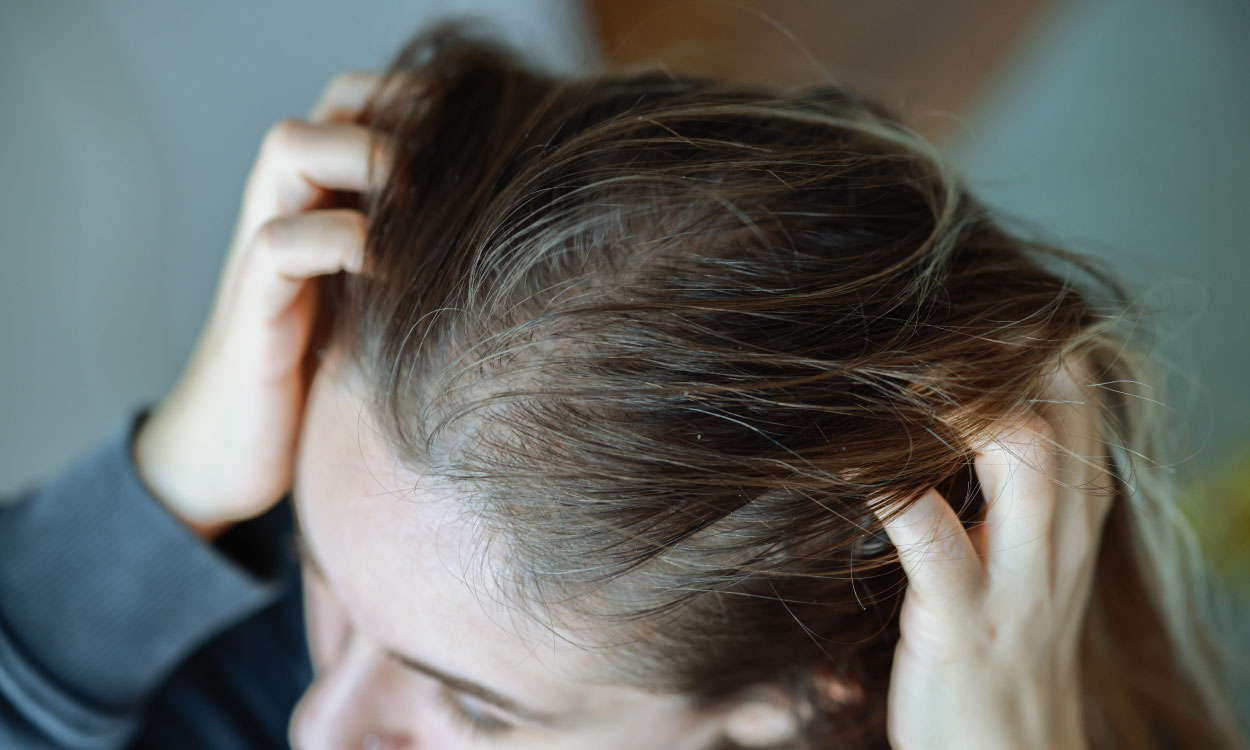
Wash Your Hair The Right Amount
You may think that washing your hair more often could help remove dandruff, but that’s not necessarily the case. In fact, over-washing can backfire by stripping the scalp of its natural oils and causing irritation. Instead, you need to find the washing frequency that works best for your hair and scalp. There’s no one-size-fits-all solution here, because it all depends on your hair type and texture.
For instance, if you have fine hair or an oily scalp, daily washing may be helpful. However, if your hair is coarse or dry, washing once or twice a week may be enough. If you’re unsure about the right frequency, it’s always wise to consult a dermatologist.
Use A Shampoo For Dandruff
It likely won’t surprise you, but if you’re struggling with dandruff, choosing the best anti-dandruff shampoo is essential. However, that’s often easier said than done, given the sheer number of options out there, all promising a magical cure. The truth is, their effectiveness varies, and some contain ingredients that may actually cause irritation.
That’s why it’s best to choose a recommended anti-dandruff shampoo that has been properly tested and is suited to the type of dandruff you’re dealing with, whether oily or dry. There are pros and cons to the different formulas available, so don’t rush the decision. Take time to compare your options.
In any anti-dandruff shampoo, a keratolytic or antifungal agent is key. The former addresses the underlying cause, while the latter tackles the symptoms. Fortunately, you can often find both in a dual-action formulation. It’s also worth checking reviews to see what others say about a product’s effectiveness.
For example, Kérastase shampoo is highly sought after, with many customers reporting reduced dandruff and a less itchy scalp. It’s designed for sensitive scalps and suits all hair types. If you wash your hair frequently, this shampoo is ideal. As a bonus, it leaves hair softer and shinier.
Exfoliate Your Scalp
Many people overlook this, but exfoliating your scalp once a week can significantly help with dandruff. It removes dead skin cells that can clog the scalp and worsen itchiness and flakiness. Exfoliation also increases blood flow to the hair follicles, supporting healthy hair growth.
There are several ways to exfoliate. Physical exfoliants such as exfoliating gloves or scalp brushes are popular. Simply massage your scalp in gentle circular motions to remove buildup and promote circulation. Be careful not to over-exfoliate, as that can cause irritation.
You can also use scalp scrubs formulated with exfoliating particles. Apply a small amount to the scalp, massage gently, then rinse thoroughly and follow with your usual shampoo and conditioner. Natural remedies are another option, but if you go that route, be sure to assess your hair type first or do a patch test to avoid reactions.
Mind Your Diet
You’ve heard the saying “you are what you eat”, and it applies to your scalp too. If you’re prone to dandruff, try to limit sugars and refined carbohydrates, as these can contribute to glycogen buildup, a food source for yeast. We know it’s tempting to reach for those French fries, but your scalp will thank you if you don’t, and you’ll likely feel better overall.
So, what should you eat? Omega-3 fatty acids are a must, thanks to their anti-inflammatory benefits. They’re found in foods such as salmon, mackerel, flaxseeds and walnuts. Other helpful foods include eggs, lean meats and fortified cereals, which provide vitamins B6 and B12, essential for skin health. Deficiencies can lead to a dry, flaky scalp. Zinc supports cell repair and production, while selenium has antifungal properties, so include whole grains, nuts and certain seafoods to ensure you’re getting both minerals.
The Bottom Line
Dandruff can be a real confidence killer, and the constant itchiness can be uncomfortable and distressing. No one wants white flakes showing up on their hair or clothing. The good news is that dandruff doesn’t have to dominate your life. With the right approach, you can keep flakes under control and reclaim both your confidence and your scalp health.
