

The Hidden Home Maintenance Problems That Cost Homeowners Thousands
The most expensive home repairs rarely happen without warning.
In many cases, serious property defects develop gradually over months or even years, hidden behind walls, beneath floors or within areas of the home that receive little attention. By the time the issue becomes obvious, the resulting repair costs can be substantial.
Whether it’s a small plumbing leak, ageing electrical wiring or early signs of structural movement, properties often provide warning signs long before major damage occurs. The challenge is that these signs can appear insignificant at first and are therefore easy to overlook.
Understanding what to look for, and acting before problems escalate, is one of the most effective ways homeowners can protect both their property and their finances.
Small Leaks That Become Major Water Damage
Water damage remains one of the most common and costly issues affecting UK homes. While dramatic floods attract attention, the majority of water-related property damage begins with a slow leak that goes unnoticed or unresolved.
A small drip beneath a kitchen sink, a deteriorating washing machine hose or a failing seal around a shower enclosure may not seem urgent. However, over time, moisture can penetrate cabinetry, flooring, plasterwork and structural timbers. What begins as a minor plumbing issue can quickly develop into a significant repair project involving mould treatment, floor replacement and extensive drying works.
The average UK insurance claim for escape of water is estimated to be around £2,500. In more severe cases involving structural damage, repair costs can regularly exceed £10,000.
Areas that should be inspected regularly include:
- Pipe joints beneath kitchen and bathroom sinks
- Washing machine and dishwasher hose connections
- Bath and shower seals
- Toilet connections and surrounding flooring
- Outdoor taps and exposed pipework
Homeowners should pay particular attention to signs such as:
- Damp or musty odours
- Water staining
- Soft or swollen flooring
- Peeling paint
- Mould growth
Water damage rarely improves on its own. Once moisture enters a property, it will continue to spread until the source is identified and resolved.
Where signs of water ingress are discovered, it is often advisable to seek professional advice as early as possible. Companies such as Royal Flush Plumbing can assess potential issues before they develop into more significant and costly repairs.
Ageing Electrical Systems
Electrical systems are designed to last for many years, which is both an advantage and a potential risk.
Because electrical installations operate quietly in the background, they are often overlooked for decades. In older properties, wiring and electrical components may remain in service long after they have exceeded their intended lifespan.
Homes built before the 1970s may still contain outdated wiring systems that no longer meet modern safety standards. Likewise, some properties continue to operate with older consumer units that lack modern safety features such as RCD protection.
According to industry estimates, electrical faults contribute to thousands of house fires across the UK each year. Despite this, many homeowners cannot recall when their installation was last professionally inspected.
Common warning signs include:
- Flickering lights
- Warm sockets or switches
- Frequently tripping circuit breakers
- Buzzing sounds from electrical fittings
- Older fuse boxes with ceramic fuses
Particular attention should be paid to sockets or switches that feel warm to the touch, as this may indicate an underlying fault requiring immediate investigation.
An Electrical Installation Condition Report (EICR) provides a comprehensive assessment of a property’s electrical system. Current guidance recommends inspections at least every ten years for owner-occupied properties and every five years for rental properties.
If an installation has not been inspected within the recommended timeframe, arranging an EICR should be considered a priority. Companies such as Eastern Electrical can provide professional inspections and identify potential safety concerns before they become more serious.
Ignoring Early Warning Signs
Properties often display subtle indicators when something is wrong.
Unfortunately, because these issues rarely create immediate disruption, they are frequently ignored until the underlying problem becomes much more severe.
A door that suddenly begins sticking, a crack that continues to reappear after repair or a persistent damp smell may not seem particularly urgent. However, these symptoms often indicate a developing issue that deserves further investigation.
Warning signs that should not be ignored include:
- Cracks around doors and windows
- Persistent damp odours
- White powdery deposits on walls or brickwork
- Brown staining on ceilings
- Uneven or springy floors
For example, white deposits known as efflorescence indicate moisture moving through masonry. While not necessarily a structural concern in themselves, they often signal an underlying moisture problem.
Similarly, ceiling stains rarely represent the full extent of a leak. The visible mark is often only the final stage of water travelling through hidden areas of the structure.
The earlier these issues are investigated, the more likely it is that remedial work can be completed before significant damage occurs.
Preventative Inspections
Most homeowners understand the importance of servicing a vehicle or maintaining a boiler. However, many properties receive far less structured maintenance despite being significantly more valuable assets.
Preventative inspections are not about finding problems that do not exist. They are about identifying developing issues before they become expensive emergencies.
A loose roof tile identified during a routine inspection may require only a minor repair. Left unresolved for several years, the same issue could result in water ingress, damaged timbers and internal repairs costing thousands of pounds.
Recommended inspection intervals include:
- Electrical Inspection (EICR): Every 10 years for homeowners and every 5 years for landlords.
- Boiler Service: Annually.
- Roof Inspection: Every 3–5 years, or following significant storms.
- Plumbing Inspection: Every 2–3 years.
- Damp and Drainage Assessment: Every 3 years, particularly in older properties.
While some basic visual checks can be carried out by homeowners, inspections involving gas, electrics or structural concerns should always be undertaken by qualified professionals.
Plasterwork That’s Telling You Something
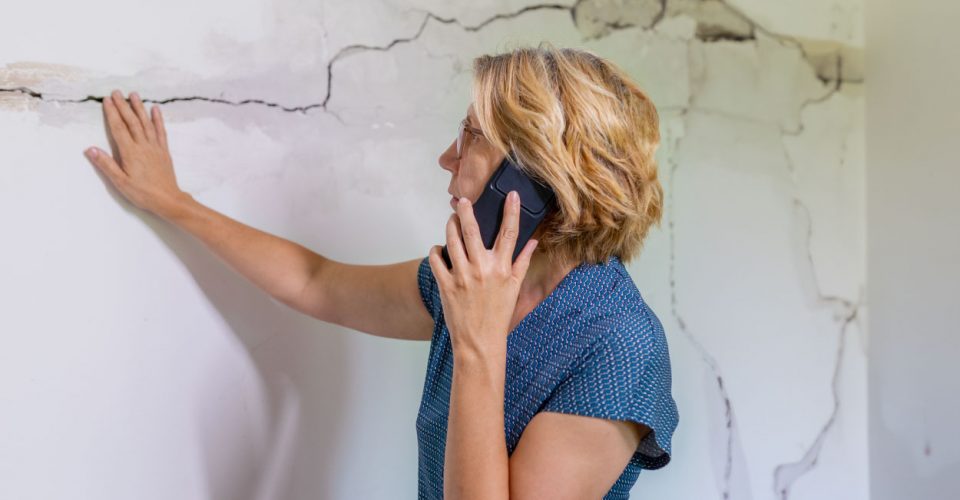
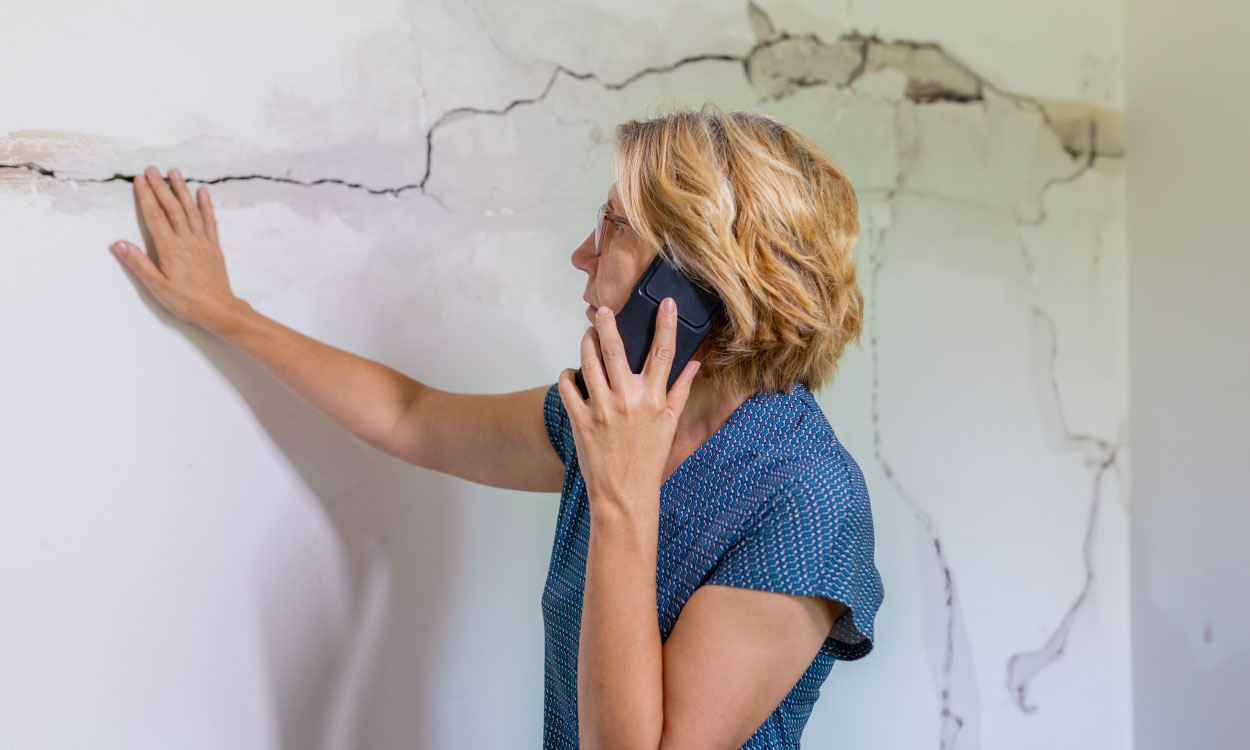
Cracks, bulges and damaged plasterwork are often dismissed as cosmetic issues.
In reality, plaster frequently acts as an early warning system for wider problems affecting a property.
Cracking may indicate structural movement. Bubbling plaster can suggest trapped moisture. Hollow-sounding walls may point to plaster failure and detachment from the substrate beneath.
Common signs requiring further investigation include:
- Recurring cracks
- Hollow or loose plaster
- Bubbling or flaking finishes
- Damp patches and staining
- Crumbling corners and window reveals
While not every crack indicates a serious problem, repeated repairs to the same area should never be ignored. If a defect continues to return, there is usually an underlying cause that remains unresolved.
Moisture-related plaster defects are particularly important to investigate. Damp plaster can contribute to mould growth, reduce thermal efficiency and indicate hidden leaks or water ingress elsewhere within the structure.
Where plaster defects persist, a skilled team of plasterers can often determine whether the issue is purely cosmetic or symptomatic of a larger problem requiring further investigation.
Creating an Annual Maintenance Schedule
Preventative maintenance does not require specialist knowledge. In most cases, a simple annual routine can significantly reduce the likelihood of unexpected repair bills.
Spring (March to May)
- Inspect the roof following winter weather
- Clear gutters and downpipes
- Check external brickwork and pointing
- Test smoke and carbon monoxide alarms
- Inspect outdoor taps and pipework
Summer (June to August)
- Arrange an annual boiler service
- Check window and door seals
- Inspect loft insulation and ventilation
- Examine flat roof areas for deterioration
Autumn (September to November)
- Clear gutters again after leaf fall
- Check pipe insulation before winter
- Test heating systems
- Review the condition of the consumer unit
Winter (December to February)
- Confirm the stopcock is accessible and operational
- Monitor for condensation and cold bridging
- Check basements and cellars after heavy rainfall
- Inspect loft pipework during freezing conditions
Every property will have its own maintenance requirements depending on its age, construction and location. However, the principle remains the same: regular attention to small issues helps prevent large and unexpected repair costs.
The homeowners who avoid major repair bills are rarely the luckiest. More often, they are simply the ones who notice the warning signs, carry out routine inspections and address problems before they have an opportunity to escalate.
In property maintenance, small problems rarely stay small for long.
